Author: https://aiinfo.blog

  • Overview: Where Does AI Get Its Information?

    Overview: Where Does AI Get Its Information?

    man in white long sleeve shirt and blue pants standing while holding black mobile phone
    Photo by Mikhail Nilov on Pexels.com

    The Foundation of AI Data Sources

    Artificial Intelligence (AI) systems rely on diverse data sources to function effectively, influencing their learning processes and decision-making capabilities. The primary distinction in data utilized by AI lies between structured and unstructured data. Structured data is often categorized and easily searchable, typically found in databases and spreadsheets. This type of data adheres to a predefined schema, allowing AI algorithms to interpret and analyze it with more clarity. Examples include numerical data, categorical data, and well-organized text entries that conform to specific formats.

    In contrast, unstructured data comprises a large proportion of the information available in the world today. This includes text documents, images, audio, and video files. Such data is often rich in context and detail, but the lack of a standardized format poses challenges for AI systems in extracting usable insights. To harness the potential of unstructured data, natural language processing (NLP) and image recognition technologies are employed, facilitating the conversion of qualitative information into a form that can be analyzed by algorithms.

    Another vital aspect of AI data sources is the reliance on open-source datasets, which allow researchers and developers to access vast amounts of information freely. These datasets foster collaboration and innovation in the field of AI by providing researchers with the resources necessary to enhance their models and algorithms. Additionally, the internet serves as an expansive repository of information, containing a continuous stream of data generated by users worldwide. While the abundance of available information offers significant advantages, AI systems must prioritize high-quality, vetted data to improve accuracy and reduce bias in predictions.

    Machine Learning and Training Data

    Machine learning, a subset of artificial intelligence (AI), relies heavily on training data to develop models that can make predictions or decisions without being explicitly programmed. The effectiveness of these models is largely determined by the quality and diversity of the training data they are exposed to. To initiate the learning process, large datasets are collected from various sources, ensuring that they encompass a wide range of scenarios and outcomes relevant to the problem at hand.

    Data collection can take numerous forms; it may involve gathering existing databases, absorbing real-time information through sensors, or employing web scraping techniques. Once data is collected, it undergoes a crucial phase known as labeling, where human annotators or automated systems categorize the data into distinct classes or attributes. This labeling process is vital because it provides the context necessary for machine learning algorithms to understand patterns and correlations within the data.

    Moreover, the significance of using diverse datasets cannot be overstated. A model trained on a narrow set of data may perform adequately in controlled situations but can falter in real-world applications due to unconsidered variables. By incorporating a wide variety of data inputs, machine learning models can adapt better to different environments and exhibit improved generalization capabilities. This adaptability is crucial in fields such as healthcare, finance, and autonomous vehicles, where accuracy and reliability are paramount.

    In summary, machine learning algorithms depend fundamentally on high-quality training data. The interplay between data collection, labeling, and the diversity of datasets fosters a robust learning environment that enhances the predictive accuracy and reliability of AI models. As AI continues to evolve, understanding the dynamics of training data will remain an essential aspect of ensuring successful outcomes in various applications.

    The Role of User Interactions

    User interactions play a crucial role in shaping the information landscape that artificial intelligence (AI) systems rely upon. Every action a user takes, whether it be entering queries, providing feedback, or simply navigating an application, generates valuable data. This data can serve as the groundwork for learning, enabling AI to improve its responses over time. The feedback mechanisms integrated into many AI systems allow users to rate or comment on the relevance of the information provided, which directly influences how AI analyzes and interprets their future interactions.

    Moreover, user-generated content acts as a significant data source for AI. For instance, social media inputs, online reviews, and other forms of user participation constitute vast datasets that AI can utilize to understand current trends, user preferences, and emerging topics of interest. By analyzing these interactions, AI systems can adjust their algorithms and enhance their ability to deliver contextually relevant and precise information.

    The adaptability of AI in response to user interactions is a key feature of its design. Machine learning algorithms continually adjust based on the patterns and behaviors observed from users, facilitating a more refined understanding of how to engage with each individual effectively. As users interact with AI applications, these systems learn to provide more tailored suggestions, answers, and content, ultimately leading to a more personalized experience.

    In summary, user interactions are fundamental to the functioning of AI systems. By leveraging data from user activities and employing feedback mechanisms, these systems are capable of evolving and enhancing their informational offerings to meet user needs more effectively. This iterative learning process not only enriches the user experience but also contributes to a broader understanding of information dynamics in the realm of artificial intelligence.

    Ethics and Data Privacy in AI Information Gathering

    As artificial intelligence (AI) increasingly shapes various aspects of life, the ethical considerations surrounding its information-gathering processes have become paramount. Central to these discussions are issues related to data consent, transparency, and privacy. AI systems often rely on vast datasets, which may include personal and sensitive information. The collection and use of such data raise significant ethical concerns, particularly regarding informed consent from individuals whose information is being utilized.

    Obtaining consent is a foundational principle in data privacy, ensuring that individuals have the autonomy to decide how their data is used. However, the complexity of AI systems and the often opaque nature of data sourcing can make it challenging for users to understand what they are consenting to. This transparency is critical, as individuals deserve to know how their data will affect AI functionalities and decision-making processes. Furthermore, ethical AI applications should prioritize data minimization, collecting only what is necessary for the intended purpose and avoiding potential misuse of extra information.

    Moreover, utilizing sensitive data without proper safeguards can lead to severe implications, including discrimination, profiling, and loss of privacy. The intersection of AI and sensitive data presents challenges that require careful consideration, particularly as technology advances. Regulators and organizations must clearly establish frameworks that govern data use, emphasizing accountability and ethical standards. Industry leaders are encouraged to adopt practices that prioritize ethical AI development, fostering trust through transparent data management policies. As society becomes increasingly integrated with AI technologies, ensuring ethical standards in data privacy will be crucial in safeguarding individual rights and upholding public trust.

  • How to Create AI Videos with AI Software in 2026

    How to Create AI Videos with AI Software in 2026

    letters on blue background
    Photo by Tara Winstead on Pexels.com

    Introduction to AI Video Creation

    AI video creation represents a significant leap forward in the art and science of video production, particularly as we approach 2026. The adoption of cutting-edge AI technologies has fundamentally altered how videos are conceived, produced, and distributed. At its core, AI-driven video generation uses sophisticated algorithms and machine learning techniques to automate numerous aspects of video creation, ranging from scriptwriting and storyboarding to editing and final production. This process not only expedites production times but also enhances the creative possibilities for filmmakers and content creators across various industries.

    In recent years, the landscape of AI software has evolved dramatically. Today’s ecosystem includes a diverse range of tools capable of generating high-quality videos tailored to specific needs. Video creators can choose from software that specializes in animation, deepfakes, virtual reality experiences, and even real-time live production. These tools are equipped with features such as natural language processing, computer vision, and predictive analytics, enabling them to interpret and respond to user inputs in a way that significantly enhances the final output.

    Moreover, the increased accessibility of AI video creation software empowers both amateur creators and seasoned professionals. With many platforms offering user-friendly interfaces and tutorials, individuals with little to no technical expertise can produce compelling video content. As a result, we witness a democratization of video production, allowing a wider audience to share their stories and ideas through engaging visual narratives. The significance of AI video creation tools therefore cannot be overstated; as we look ahead to 2026, they are likely to play a crucial role in shaping the future of digital content across various platforms.

    Choosing the Right AI Software

    As the demand for engaging video content continues to rise, the need to know how to make AI video with AI software in 2026 becomes increasingly essential. The first step in this journey is selecting the most suitable AI software tailored to your unique needs. This decision hinges on several critical factors that can significantly impact your video creation experience.

    Firstly, it’s paramount to evaluate the features offered by various AI tools. Different software may provide an array of functionalities, including automated video editing, script generation, and animation capabilities. Understanding these features will enable you to match the software with the specific requirements of your project.

    User interface is another pivotal aspect to consider. A smooth, intuitive interface can dramatically streamline the video production process, allowing users to focus on creativity rather than navigating through complex systems. Positive user experiences often correlate with a user-friendly design, making this an essential criterion in your selection process.

    Integration capabilities also play a significant role. It’s essential to choose an AI video software that can easily integrate with other tools and platforms you already utilize, such as social media channels or content management systems. This synergy facilitates a more seamless workflow and enhances overall efficiency.

    Finally, budget constraints cannot be overlooked. Pricing models vary significantly between different AI software tools, from one-time purchases to subscription services. Assessing the cost-effectiveness of these tools in relation to their feature set and provided value is crucial for making an informed decision.

    By considering these factors carefully, users will be well-equipped to determine how to make AI video with AI software in 2026 effectively. Popular tools such as Runway, Synthesia, and Pictory provide unique offerings in this rapidly evolving landscape, making research and user feedback essential in guiding your choice.

    Step-by-Step Guide to Creating AI Videos

    Creating AI videos with AI software in 2026 involves a systematic approach that encompasses several key stages. To begin, choosing the right AI software that meets your specific video production needs is crucial. Popular platforms include Synthesia, Pictory, and Descript, each offering unique features that can facilitate the creative process.

    After selecting your software, the initial step typically involves generating a script. Many AI tools provide built-in script generators that can help you draft compelling narratives. Input your primary ideas or prompts, and allow the AI to produce a preliminary outline. This generated script serves as the foundation for your video, so take time to revise and refine it according to your goals.

    The next stage is to create scenes that align with your script. Most AI video software allows users to customize backgrounds, characters, and animations, enhancing the visual storytelling aspect. You can select various templates or create scenes from scratch, making sure each scene complements the narrative flow. Pay attention to transitions between scenes to maintain viewer engagement.

    Once your scenes are established, integrating voiceovers is the next essential step. AI tools offer text-to-speech features, providing a range of realistic voice options that can be tailored to match the tone of your video. Experiment with different voice settings to find the most suitable match for your content.

    Finally, the editing phase allows for fine-tuning and polishing your AI video. Utilize the software’s editing functionalities to adjust audio levels, incorporate background music, and apply effects. This is also a good time to review the flow and coherence of the video. Following these steps will help you effectively leverage the capabilities of AI software, ensuring your finished product is of professional quality.

    As the landscape of technology continues to evolve, the field of AI video creation is set to experience remarkable advancements beyond 2026. One of the key trends expected is the enhancement of AI algorithms, which will become increasingly sophisticated, allowing for a more refined output in video quality and realism. These advancements will likely lead to improvements in script generation, voice modulation, and character animation, making it easier for creators to produce high-quality videos from minimal input.

    In addition to algorithmic improvements, new features in AI software are anticipated to emerge. For example, we may see the introduction of more intuitive user interfaces that rely on natural language processing, enabling users to instruct software using conversational language. This shift will lower the barrier to entry for individuals without technical expertise, thereby democratizing the content creation process. Furthermore, collaborative tools that allow multiple users to work on a project simultaneously, regardless of their location, are also on the horizon.

    Another exciting area of development is the integration of virtual reality (VR) and augmented reality (AR) technologies into AI video creation. These immersive technologies are expected to merge seamlessly with AI software, giving creators the ability to craft engaging and interactive videos that can captivate audiences in new ways. As video content becomes increasingly interactive, it will open up new avenues for marketing and education, encouraging more dynamic viewer engagement.

    The implications of these developments for content creators and the industry are profound. As we learn how to make AI video with AI software in 2026, these innovations will not only streamline the video production process but also expand creative possibilities, allowing creators to explore narratives and experiences that were previously unattainable. Staying ahead of these trends will be crucial for any content creator aiming to thrive in an increasingly complex digital landscape.

  • How to Create AI-Generated Music Using an AI Music Generator

    How to Create AI-Generated Music Using an AI Music Generator

    Understanding AI Music Generators

    AI music generators represent a fascinating intersection of technology and creativity, using algorithms to create music that can range from entirely original compositions to remixes of existing tracks. At the core of these tools lies artificial intelligence, which leverages machine learning algorithms to analyze and generate musical pieces. Through the utilization of vast datasets that include various music styles, compositions, and genres, AI music generators learn patterns and structures that define music.

    One of the fundamental concepts behind AI music generation is audio synthesis. This process involves creating audio signals from scratch or manipulating existing sounds to produce new music. AI music generators employ sophisticated techniques such as neural networks and deep learning to achieve this. These technologies allow the AI to comprehend intricate aspects of music, including rhythm, melody, harmony, and dynamics. The outcome is often music that is surprisingly coherent and enjoyable, showcasing the potential of AI in the creative domain.

    In the market, a variety of AI music generators exist, each catering to different end-user needs. Some tools focus on composing original music, making them ideal for filmmakers or game developers seeking unique soundtracks. Others specialize in remixing tracks, enabling users to add their flair to existing songs. Tools like OpenAI’s MuseNet and Google’s Magenta are just a few examples of the capabilities that these AI-driven systems offer. As technology continues to evolve, the applications of AI music generators are broadening, promising enhancements in areas such as personalized music experiences, efficient content creation, and even therapeutic settings. Understanding these tools provides insight into how to make AI song with an AI music generator and embrace the future of music creation.

    Choosing the right AI music generator is crucial for creating music that meets your artistic vision and technical requirements. The landscape of AI music generation is expansive, with numerous platforms offering diverse features and capabilities. Popular AI music generators include Amper Music, AIVA, Soundraw, and Ecrett Music, each catering to different user preferences and specific musical styles.

    Amper Music is well-known for its user-friendly interface, making it an excellent choice for beginners. It allows users to create and customize original compositions across various genres, such as pop, classical, and electronic music. AIVA stands out for its focus on composition, generating tracks that can be tailored for film scores and games. It employs advanced algorithms to understand musical theory, which can appeal to more experienced users seeking sophisticated outputs.

    Soundraw offers a unique approach by allowing users to actively participate in the composition process, enabling adjustments to the structure and instrumentation of the generated music. This interactivity may resonate with those who wish to experiment and refine their songs further. Meanwhile, Ecrett Music provides an intuitive experience for creating royalty-free music, ideal for content creators in need of background scores for videos or podcasts.

    When selecting an AI music generator, consider your skill level, budget, and the specific type of music you aim to produce. For beginners, platforms like Amper and Ecrett might be more accessible, whereas those with more musical experience might find AIVA or Soundraw’s features worthwhile. Ultimately, investigating each platform’s unique selling points and trial options can help ensure that you find the best fit for your creative process when exploring how to make AI song with AI music generator.

    Creating Your First AI Song

    Creating music using an AI music generator can be an engaging and innovative process. To begin, select a reputable AI music generator platform that aligns with your needs. Some popular options include OpenAI’s MuseNet, Amper Music, or AIVA. Once chosen, follow the setup instructions provided on the site, which typically involve creating an account and familiarizing yourself with the user interface.

    After logging in, the next critical step is to select a genre or style for your song. Many AI music generators allow users to choose from a variety of music styles such as classical, jazz, pop, or electronic. This selection will influence the final output, so consider what suits your project best. If the generator offers the option, specify its mood or theme to further refine the music sample.

    Next, you’ll want to enter any required information or preferences, which may include tempo, length, or instrumentation. Some platforms offer adaptability by allowing users to input specific chord progressions or melodies that the AI can develop into a full composition. Ensure you explore all settings available to maximize the creative potential of the software.

    When you are satisfied with your input, proceed to generate your music. This step may take a moment, as the AI processes your specifications to create the song. Once generated, you can listen to your AI song, assessing its quality and alignment with your initial vision. If necessary, don’t hesitate to make adjustments to your inputs or explore different options within the software.

    Finally, many AI music generators provide a feature to edit and refine the produced song. Utilize these tools to enhance the composition, adjusting elements such as volume, instrumental balance, or adding effects. Mastering these aspects will contribute to a more polished final piece, ultimately leading to a captivating AI-generated track.

    Exploring Advanced Features and Techniques

    As the landscape of music creation continues to evolve, understanding how to make AI song with an AI music generator becomes increasingly vital, especially for those looking to harness advanced features and techniques. These innovative tools offer a multitude of options that enhance the music creation process.

    One of the key advanced features is layering, allowing users to combine different sounds and textures to create rich and complex compositions. This element is essential for generating depth in music. By skillfully layering your tracks, you can emulate the sound of a full band or orchestra, giving virtual compositions a more organic feel. Utilizing harmonization techniques can further improve your music, as it aids in developing melodies that are not only captivating but also evoke emotional resonance.

    MIDI files play a crucial role within AI music generation, as they allow for a high level of customization. Users can manipulate these digital score files to fine-tune elements such as tempo, pitch, and velocity, enhancing the overall quality of a piece. Additionally, incorporating live instruments can substantially elevate your AI-generated tracks. Whether it’s a guitar riff, a piano solo, or percussion, blending real instruments with synthesized elements creates a unique and authentic listening experience.

    Collaboration with AI for hybrid compositions can significantly stimulate creativity. This blend of human artistry and artificial intelligence fosters innovative music that might not emerge through traditional means alone. Experimenting with various AI music generators can lead to unexpected but delightful results. To conclude, embracing these advanced features and techniques in AI music creation offers an exceptional opportunity to elevate the quality of your final output, allowing for professional-grade compositions that reflect a distinctive artistic vision.

  • The Best AI Information Generators: A Comprehensive Guide

    The Best AI Information Generators: A Comprehensive Guide

    portrait of a humanoid robot
    Photo by igovar igovar on Pexels.com

    Introduction to AI Information Generators

    AI information generators have emerged as transformative tools in the realm of data processing and content creation. These advanced systems leverage artificial intelligence technologies to automatically create information based on input parameters and existing data patterns. At their core, AI information generators are designed to produce human-like text, analyze vast amounts of information, and facilitate the extraction of insights, thereby simplifying complex processes that traditionally required extensive manual effort.

    The evolution of AI technology has significantly impacted how businesses and individuals approach information generation. From basic algorithms that performed simple data analysis to sophisticated models capable of understanding context and nuance, AI has continuously advanced. These advancements have played a crucial role in automating tasks across various sectors, including marketing, journalism, research, and customer service. As a result, the demand for AI-based solutions has surged, with organizations seeking efficient ways to enhance productivity and streamline workflows.

    One of the primary advantages of utilizing the best AI information generators is their ability to quickly produce coherent and relevant content tailored to specific audiences. This capability not only saves time but also allows users to allocate resources more effectively, focusing on strategic initiatives rather than repetitive tasks. Additionally, as the technology matures, the accuracy and relevance of information generated by these systems improve, increasing their reliability as valuable tools for professionals.

    Ultimately, AI information generators are becoming integral components within modern businesses. By harnessing the power of artificial intelligence, organizations can transform the way they operate, leading to improved efficiency, better decision-making, and the ability to adapt swiftly in an ever-changing landscape. As we delve deeper into the features and applications of these generators, their significance in shaping the future of information generation will become even more apparent.

    Key Features of Top AI Information Generators

    In today’s digital landscape, AI information generators are transforming the way users access and utilize data. The best AI information generator tools are distinguished by a range of essential features designed to enhance usability and effectiveness. One of the most critical aspects is advanced natural language processing (NLP) capabilities. This allows the system to comprehend and produce human-like text, making interactions more intuitive and providing coherent outputs in response to user queries.

    Data accuracy is another vital feature that separates leading AI information generators from their competitors. Reliable data sourcing and fact-checking mechanisms ensure that the information generated is not only useful but also trustworthy. As organizations increasingly rely on data-driven insights, maintaining accuracy in information dissemination has never been more important. Furthermore, these tools often incorporate machine learning algorithms that continuously improve their output quality based on user interactions.

    User-friendly interfaces are crucial for broad adoption of AI tools. The best AI information generators prioritize simplicity, ensuring that users, regardless of their technical expertise, can navigate features and access information seamlessly. Moreover, customization options enhance the user experience by allowing individuals and businesses to tailor outputs to specific needs. Whether it’s adapting content for various marketing strategies or generating reports, flexibility is a significant advantage. Additionally, integration capabilities with other software and platforms amplify the utility of these generators, enabling users to create a cohesive digital workflow.

    Overall, these features are designed thoughtfully to cater to diverse user needs, including content creators and businesses seeking comprehensive insights from colossal datasets. As AI technology continues to evolve, keeping an eye on these fundamental traits will help identify the best AI information generators in the market.

    Comparison of Leading AI Information Generators

    The market for AI information generators has evolved rapidly, with several tools standing out due to their unique features, performance, and suitability for various sectors. In this comparative analysis, we will evaluate three leading AI information generators: Tool A, Tool B, and Tool C, focusing on pricing, performance, ease of use, and customer support.

    Pricing: Tool A offers a subscription model with tiered pricing starting at $29 per month, making it accessible for small businesses. Tool B, on the other hand, provides a free version with limited features, while its premium plans begin at $49 per month, appealing to larger organizations. Tool C is a pay-per-use model, which may be cost-effective for occasional users since it charges per query.

    Performance: In terms of output quality, Tool A stands out for its advanced algorithms, producing highly contextual and relevant information. Tool B is noted for its rapid response time but has occasionally produced generic outputs. Meanwhile, Tool C combines speed with comprehensive results, catering to diverse user needs.

    Ease of Use: Tool A features an intuitive user interface that allows users to generate reports and insights with minimal training. Tool B, however, may require users to navigate a more complex system to access its rich features. Tool C is recognized for its straightforward setup and usability, appealing to those with limited technical skills.

    Customer Support: Customer support is critical; Tool A excels in this area, offering 24/7 assistance and detailed documentation. Tool B’s support is primarily through an online community, which can be limiting for urgent queries. Conversely, Tool C provides responsive email support but lacks live chat, which may hinder immediate resolution of issues.

    Each AI information generator has its strengths and weaknesses; therefore, the best choice depends on specific user needs. For example, a small business looking for affordability may prefer Tool A, while a corporation requiring high-end performance might lean towards Tool C. Understanding the distinct characteristics of each tool is essential for making an informed decision.

    The landscape of AI information generation is rapidly evolving, with many experts predicting significant advancements in the upcoming years. One of the pivotal trends is the enhancement of machine learning algorithms, which are expected to become more sophisticated, enabling AI systems to generate content that increasingly mirrors human thought and creativity. These developments will likely result in AI information generators being able to comprehend context more deeply and produce content that is not only factually accurate but also contextually relevant and engaging.

    Another essential trend is the integration of natural language processing (NLP) advancements into AI systems. As NLP technologies improve, we can expect AI information generators to handle complex language structures, idioms, and cultural nuances more effectively. This capability will broaden the applications of AI in content creation, facilitating more tailored messaging for diverse audiences and increasing the scalability of content production.

    However, as we explore these advancements, it is crucial to consider the ethical implications associated with AI-generated content. The debate surrounding AI-generated versus human-generated content continues to intensify, raising questions about authenticity, copyright, and the integrity of information. With the rise of deepfake technology and the potential for misinformation, a responsible approach to deploying AI information generators will be vital in maintaining trust within the digital landscape.

    Moreover, as these tools proliferate, the need for ethical guidelines and regulations becomes imperative to manage their use responsibly. Encouraging critical evaluations of the quality and reliability of AI-generated outputs will help consumers differentiate between human and machine-crafted content. As we look to the future, the synergy between human creativity and AI capabilities will shape the trajectory of information generation, prompting us to ponder the sector’s direction.

  • Exploring Free Online AI Information Generators: A Comprehensive Guide

    Exploring Free Online AI Information Generators: A Comprehensive Guide

    a laptop displaying chatgpt site
    Photo by Hatice Baran on Pexels.com

    Introduction to AI Information Generators

    In the evolving digital landscape, AI information generators have emerged as valuable tools that leverage artificial intelligence to streamline the process of content creation. These applications harness advanced algorithms and machine learning techniques to produce various types of information, including text, images, and data representations. This innovative technology serves to assist both individuals and businesses that seek instant access to a wealth of information.

    The primary function of an ai information generator online free is to facilitate the generation of content with minimal effort. Users can input specific parameters or queries into these systems, which then analyze vast quantities of data to produce coherent and pertinent output in a matter of seconds. This efficiency not only saves time but also enhances productivity by providing tailored content that aligns with user needs.

    Moreover, the significance of AI information generators extends to their capability to generate diverse content formats. Whether it is creating informative articles, delivering visual content, or producing analytical datasets, these tools adapt to a variety of user demands. As a result, they are increasingly being integrated into digital marketing strategies, educational resources, and content creation workflows, helping to meet the ever-growing demand for timely and relevant information.

    In conclusion, AI information generators represent a groundbreaking development in the digital age, enabling users to harness the power of artificial intelligence. Their ability to produce high-quality content quickly makes them an invaluable asset for those looking to improve information accessibility and efficiency in today’s fast-paced environment.

    Benefits of Using Free AI Information Generators

    In recent years, the rise of artificial intelligence has revolutionized various fields, particularly in the realm of content creation. Free AI information generators have emerged as invaluable tools, offering numerous benefits that can significantly enhance productivity and creativity for users ranging from students to professionals.

    One of the most notable advantages is the cost-effectiveness of these tools. As the name suggests, free AI information generators allow users to access high-quality content creation without incurring any financial costs. This alleviates monetary burdens for individuals or organizations with limited budgets, making it accessible to educators, small business owners, and anyone seeking information without extensive investment.

    Time efficiency is another critical benefit. Traditional research and content creation can be time-consuming, often requiring hours to gather, analyze, and compile information. However, with an AI information generator online free, users can obtain refined content and insights within minutes. This enables them to focus on other crucial tasks, thus enhancing overall productivity.

    Ease of access is also a significant factor. Most AI information generators are user-friendly and can be accessed from any device with an internet connection. This convenience makes it easier for users to generate content on the go, whether they are in a classroom, at home, or during business meetings. Additionally, the ability to produce high-quality content without extensive knowledge of the subject matter empowers users to explore various topics confidently.

    Lastly, AI information generators can be employed across diverse fields such as education, marketing, and research. For instance, students can utilize these tools for drafting essays and projects, while marketers can generate engaging ad copies or social media posts. In research, academics can quickly summarize findings or present complex data clearly. Overall, these generators open up new avenues for efficiency and creativity, making them essential tools in today’s information-driven world.

    The emergence of AI information generators has transformed the way individuals and businesses acquire data and create content. With a myriad of free tools available online, users can leverage advanced technologies without any financial constraints. Here is a curated list of some of the most popular free AI information generator tools currently accessible.

    One notable tool is GPT-3 Sandbox, which utilizes OpenAI’s robust language model to generate human-like text based on prompts. Its ease of use and versatility make it suitable for writers and marketers looking to create engaging content swiftly. Users can input a topic or question to receive coherent paragraphs that can range from informative articles to witty blog posts.

    Another prominent free tool is Scribbr’s Summarizer. This tool excels in summarization, allowing users to input lengthy texts and obtain condensed versions that highlight the main ideas. Ideal for students and researchers, this generator ensures that essential information is easily digestible and comprehensible.

    Answer Generator focuses on providing succinct answers to specific questions, making it particularly useful for customer service representatives and content creators. By inputting a question, users can receive direct, clear responses that streamline communication and information dissemination.

    Additionally, Data Miner assists users in extracting relevant information from various web pages. This tool is especially beneficial for data analysts and marketers requiring quick access to key data points from extensive online resources. Data Miner simplifies the process of data collection, thus saving time and effort.

    Each of these tools showcases unique functionalities that cater to various needs, from summarization to data extraction. As the demand for content creation and information management evolves, leveraging these free AI information generators can significantly enhance productivity and creativity.

    Tips for Getting the Most from Free AI Information Generators

    Utilizing free AI information generators can significantly enhance your content creation process, but choosing and using these tools effectively requires understanding their capabilities and limitations. Here are some essential tips for maximizing the benefits of these online resources.

    First, it is crucial to select the right AI information generator for your specific needs. Different tools are designed for various purposes, whether for generating blog topics, summarizing articles, or crafting detailed reports. Assess your content requirements and choose a platform that aligns closely with your objectives. Exploration of user reviews and case studies can also offer insights into the most effective tools for your particular niche.

    Secondly, while AI-generated content can save time and increase productivity, it is pivotal to combine this information with human input. AI can produce extensive data, but without human touch, the output may lack nuance, context, or accuracy. Therefore, always review and refine the content generated by AI, ensuring it meets your standards and resonates with the target audience. Moreover, integrating personal insights or professional expertise can create a more valuable and relatable piece.

    Additionally, it is essential to be aware of the limitations of free AI information generators. Many of these tools are bounded by their training data and may not reflect the most current information. Ethical considerations should also be taken into account; ensure that content generated does not violate copyright laws or misrepresent facts. Maintaining integrity in both content and attribution is crucial for building trust with your audience.

    By following these guidelines, you can leverage the capabilities of free AI information generators effectively while ensuring the reliability and quality of your content output.

  • Harnessing the Power of AI: Innovative Information Technology Solutions (AIIT)

    Harnessing the Power of AI: Innovative Information Technology Solutions (AIIT)

    electronics engineer fixing cables on server
    Photo by Field Engineer on Pexels.com

    Introduction to AI Information Technology Solutions

    AI Information Technology (AIIT) solutions represent a groundbreaking intersection of artificial intelligence and information technology, manifesting itself as a powerful catalyst for innovation across various sectors. The roots of AI technology can be traced back to the mid-20th century, when visionaries like Alan Turing began conceptualizing machines that could mimic human intelligence. Fast forward to the 21st century, and advancements in machine learning and data analysis have allowed AI to transcend theoretical applications, paving the way for practical solutions that bolster business operations and enhance productivity.

    The evolution of AI technology into comprehensive IT solutions has stemmed from the necessity to handle vast amounts of data that contemporary businesses encounter. AIIT solutions encompass a range of applications, including predictive analytics, natural language processing, and robotics, which collectively streamline processes and facilitate decision-making. By leveraging AI, organizations can interpret data trends, automate mundane tasks, and enhance customer experiences in ways that were previously unimaginable.

    Furthermore, AIIT solutions are not merely tools; they have become essential strategies for organizations aiming to remain competitive in an ever-evolving marketplace. The integration of AI in IT can lead to significant cost reductions, improved operational efficiency, and enhanced accuracy in data processing. Industries including healthcare, finance, and manufacturing are experiencing transformative impacts, as AI helps solve complex challenges through innovative approaches.

    This contextual backdrop lays the foundation for understanding how AI Information Technology solutions are not only shaping the future of technology but are also fundamentally altering the business landscape. As organizations embrace these advanced solutions, the potential for growth and innovation expands dramatically, signaling a new era driven by intelligent technology.

    Key Components of AIIT Solutions

    The landscape of information technology is being transformed by innovative AI solutions, often referred to as AIIT solutions. These solutions are composed of several key components, each playing a crucial role in their effectiveness and efficiency. Understanding these components is essential for organizations aiming to leverage AI to improve their IT systems.

    One of the primary components is machine learning (ML), which enables systems to learn from data and make predictions or decisions without being explicitly programmed. ML algorithms analyze historical data, identify patterns, and adapt their strategies as more data becomes available. For example, e-commerce platforms utilize ML to recommend products based on user behavior, enhancing customer experience and driving sales.

    Another critical component is natural language processing (NLP), which focuses on the interaction between computers and human language. NLP allows machines to read, understand, and respond to text and voice data. This technology is widely used in chatbots and virtual assistants, which enhance customer service by providing timely responses to user inquiries. As a result, organizations can streamline operations while maintaining high-quality customer interactions.

    Robotics also forms an integral part of AIIT solutions, particularly in automating repetitive tasks in various industries. Robotic process automation (RPA) deploys software robots to handle mundane tasks such as data entry, invoicing, and report generation. This not only increases efficiency but also allows human employees to focus on more strategic and creative aspects of their roles.

    Each component—machine learning, natural language processing, and robotics—works in synergy within AIIT solutions, creating powerful systems that can transform the way organizations operate and adapt to changing demands. By integrating these elements, businesses can harness the full potential of AI to enhance their information technology capabilities.

    Benefits and Challenges of Implementing AIIT

    The integration of AI information technology solutions, commonly referred to as AIIT solutions, into business operations offers a myriad of benefits that can significantly enhance organizational performance. One of the primary advantages is increased operational efficiency. By automating routine tasks, AIIT solutions can free up human resources, allowing employees to focus on higher-value activities that require critical thinking and creativity. This not only leads to improved productivity but also reduces operational costs.

    Enhanced decision-making is another key benefit of adopting AIIT. Leveraging advanced analytics and data processing capabilities, organizations can gather and analyze vast amounts of data in real-time. This data-driven insight enables businesses to make informed decisions quickly and accurately, ultimately fostering a competitive edge in the market. Additionally, AIIT solutions can lead to cost savings through optimized resource allocation and reduced errors in business processes.

    However, the implementation of AIIT solutions is not without its challenges. One significant concern is the ethical implications of AI technology. Companies must navigate issues related to bias in algorithms and the transparency of decision-making processes. Furthermore, data security remains a critical challenge, as the integration of AI solutions often involves the handling of sensitive information. Protecting this data from breaches and ensuring compliance with regulations is essential for any organization adopting AIIT.

    Another daunting challenge is the skills gap within the workforce. As organizations embrace advanced AI technologies, there is a growing need for skilled professionals who can effectively implement and manage these solutions. Companies may struggle to find employees with the necessary expertise, leading to potential delays in deployment and underutilization of the benefits associated with AIIT. Balancing these benefits and challenges is crucial for organizations aiming to harness the potential of AI technology effectively.

    The Future of AI Information Technology Solutions

    The realm of AI information technology solutions (AIIT solutions) is on the brink of significant evolution, driven by advancements in machine learning, natural language processing, and automated decision-making technologies. As industries increasingly embrace digital transformation, the potential applications of AIIT solutions are vast, ranging from enhanced customer interaction to improved operational efficiencies.

    One of the prominent trends shaping the future of AIIT solutions is the growing emphasis on personalization. Businesses are leveraging AI algorithms to provide tailored experiences to users, thus enhancing customer satisfaction and loyalty. This shift indicates a move towards context-aware AI systems capable of predicting user needs and preferences with remarkable accuracy.

    Moreover, the integration of AIIT solutions in healthcare showcases a transformative trajectory. With AI-powered diagnostic tools and predictive analytics, healthcare professionals are now better equipped to provide timely interventions. This not only improves patient outcomes but also optimizes resource allocation within healthcare systems.

    Another significant advancement lies in the deployment of AIIT solutions in automation across various sectors. As organizations seek to streamline processes, the utilization of AI for automating routine tasks can lead to reduced operational costs and improved productivity. This trend is expected to gain momentum, encouraging businesses to implement intelligent workflows.

    Additionally, ethical considerations surrounding AI technology continue to influence its development. As businesses adopt AIIT solutions, it becomes increasingly crucial to address issues of bias, transparency, and accountability. Developing robust governance frameworks will be essential in ensuring that AI technologies serve the broader public good while fostering trust among users.

    In conclusion, the future of AI information technology solutions is brimming with possibilities. As businesses look to stay competitive, embracing these innovative AIIT solutions will not only enhance their operational capabilities but also position them as leaders in their respective fields. The ongoing advancements promise a transformative journey that will redefine industries worldwide.

  • The Future of AI in the Production Industry: A Glimpse into 2026

    The Future of AI in the Production Industry: A Glimpse into 2026

    industrial robotic arm in automated setup
    Photo by Freek Wolsink on Pexels.com

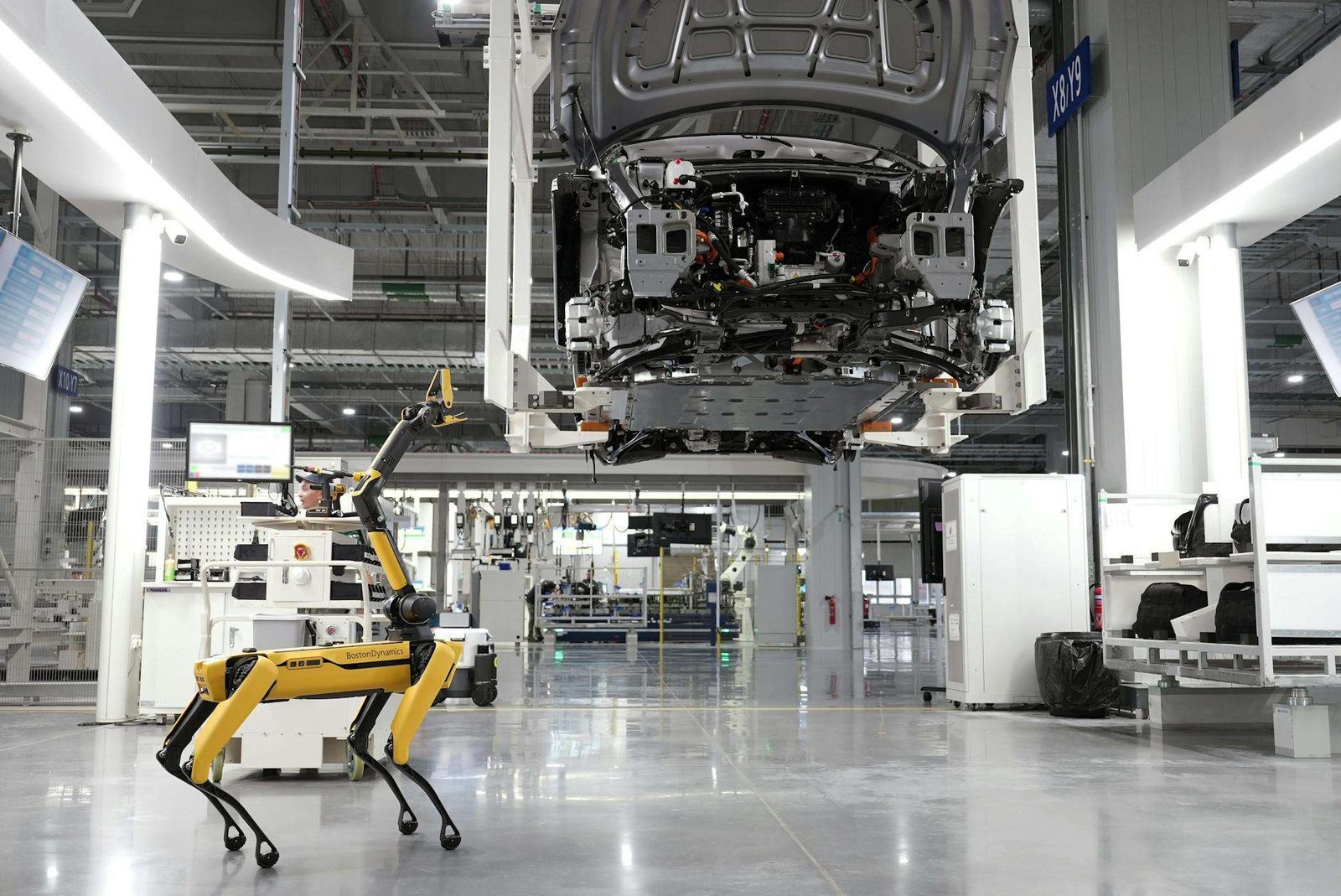
    The production industry has witnessed remarkable advancements in artificial intelligence (AI), which is undoubtedly transforming manufacturing processes at an accelerating pace. As we delve into the future of AI in the production industry in 2026, it is crucial to first understand the key trends and innovations that have emerged recently. One significant trend is the increased application of automation in production lines. Robots equipped with AI algorithms now perform tasks that were traditionally reliant on human labor, enhancing efficiency and reducing the likelihood of human error.

    Machine learning applications are also playing a vital role in refining production processes. By analyzing vast amounts of data, these systems can identify inefficiencies and suggest optimizations in real-time, which leads to improved decision-making. For instance, predictive maintenance powered by AI can forecast equipment failures before they occur, thus minimizing downtime and extending the lifespan of machinery. By incorporating these advanced technologies, companies can significantly enhance their productivity while maintaining high-quality standards.

    Nevertheless, integrating AI technologies presents challenges that companies must navigate. Issues such as data security, resource allocation, and the necessity for workforce reskilling are essential considerations. Companies must invest in training their employees and building a culture that embraces technological changes, as resistance can hinder the potential benefits of AI implementations. Moreover, successful adoption of AI is contingent upon the availability of quality data, hence companies need to ensure robust data management practices.

    In conclusion, understanding these current trends and challenges is imperative for any production company looking to thrive in the evolving landscape of artificial intelligence. As we move towards 2026, staying adaptable and proactive in integrating AI will be key to harnessing its full potential in the production industry.

    Predicted Advancements in AI Technologies by 2026

    The future of AI in the production industry in 2026 is anticipated to be characterized by significant technological advancements that will redefine operational efficiencies. A primary focus will be on advanced robotics, with AI-driven machines becoming more sophisticated, enabling them to perform complex tasks with greater precision. These robots will likely become integral to assembly lines, further minimizing human error and maximizing output.

    In addition to robotics, predictive analytics will play a crucial role in enhancing decision-making processes within the production sector. By harnessing vast datasets, AI algorithms will predict equipment failures before they occur, significantly reducing downtime. This proactive approach will not only streamline operations but also lead to significant cost savings. The implementation of predictive maintenance solutions is expected to become standard practice by 2026, making maintenance schedules more efficient and less disruptive.

    The Internet of Things (IoT) is also projected to significantly influence the future of AI in the production industry. As more devices become interconnected, factories will generate data in unprecedented volumes. AI systems will analyze this data in real-time, facilitating smarter inventory management and improved supply chain operations. This integration will allow for a more agile production process, which can adapt quickly to market demands.

    Moreover, the role of AI in quality control will expand, as machine learning algorithms are developed to perform inspections with remarkable accuracy. These innovations will enable manufacturers to maintain high quality standards while reducing labor costs. The expected advancements in AI technologies come with predictions of breakthroughs in quantum computing, which will enhance AI capabilities further, potentially revolutionizing how industries approach complex problem-solving.

    The Role of Workforce and Skills Development in 2026

    The integration of artificial intelligence (AI) into the production industry is anticipated to significantly transform the landscape by 2026. One primary area affected will be the workforce, as many traditional job roles may evolve or become obsolete. As AI systems become more advanced, there will be a shift towards automation, demanding a new set of competencies from workers. This necessitates the adoption of comprehensive training and development programs to equip employees with the skills required to thrive in an AI-driven environment.

    Skill sets centered around data analysis, machine learning, and AI system management will become increasingly valuable. The focus will shift from manual labor to tasks requiring critical thinking and problem-solving abilities. Furthermore, as technology continues to advance, soft skills such as communication, collaboration, and emotional intelligence will play a crucial role in enabling human workers to effectively interact with AI systems.

    Continuous learning will be imperative. Companies must foster a culture of lifelong learning, encouraging employees to pursue upskilling and reskilling initiatives. This can be achieved through on-the-job training, partnerships with educational institutions, and leveraging e-learning platforms. By investing in their workforce, organizations will not only enhance individual capabilities but also drive productivity and innovation, aligning with the evolving demands of the production industry.

    Ethical considerations regarding AI-human collaboration will also be paramount. Striving for a balance that allows automation to complement human work rather than fully replace it is crucial. Establishing frameworks that prioritize ethical AI deployment can help prevent job displacement fears while promoting decision-making processes that incorporate human insight. Ultimately, the future of AI in the production industry in 2026 hinges upon a harmonious relationship between technology and the workforce, rooted in continuous development and ethical standards.

    Case Studies and Real-World Applications of AI in Production

    The incorporation of artificial intelligence (AI) in the production industry has transformed operational methodologies across various sectors, offering enhanced efficiency and productivity. Noteworthy examples can be observed in the automotive, electronics, and food manufacturing industries, where companies have effectively harnessed AI technologies to innovate their production processes.

    In the automotive sector, manufacturers like Ford have integrated AI-driven robotics in their assembly lines. These robots use machine learning algorithms to adapt their movements and optimize workflows, thereby decreasing the time taken for vehicle assembly. This evolution not only streamlines production schedules but also reduces the likelihood of errors in assembly, leading to higher quality assurance and customer satisfaction.

    Similarly, in the electronics industry, companies such as Intel have piloted AI for predictive maintenance. Utilizing AI algorithms to analyze equipment data, Intel anticipates potential failures before they arise, resulting in minimized downtime and reduced maintenance costs. This foresight plays a crucial role in maintaining productivity in highly competitive markets, showcasing one aspect of the future of AI in production industry in 2026.

    The food manufacturing sector also stands to gain significantly from AI applications. For instance, brands like Nestlé have implemented AI for supply chain optimization and quality control. Through AI systems analyzing market demand and inventory levels, Nestlé can make informed decisions that align production volumes with consumer needs, thus reducing waste and enhancing sustainability practices.

    These case studies illustrate the spectrum of AI applications in production. Companies extracting value from AI technologies not only see immediate improvements in operational efficiencies but also establish a forward-thinking approach that aligns with the anticipated advancements in the future of AI in production industry in 2026. However, it is critical to note that the journey toward AI integration comes with its own set of challenges, including workforce adaptation and ensuring data security, which businesses must navigate to fully capitalize on these innovations.

  • Top AI Music Making Software for Song Creation in 2026

    Top AI Music Making Software for Song Creation in 2026

    a music application for mobile devices
    Photo by Egor Komarov on Pexels.com

    Introduction to AI Music Making

    Artificial Intelligence (AI) has made significant strides in various fields, and the music industry is no exception. The advent of AI music making software has transformed the way songs are created, enabling both amateur and professional musicians to explore new dimensions of creativity. These innovative tools harness advanced algorithms and machine learning techniques to assist artists in composing music, generating melodies, and even producing complete tracks. This technological evolution has not only streamlined the creative process but also broadened the horizons of music composition.

    One of the major benefits of utilizing top AI music making software for song creation is the increase in efficiency it offers. Musicians can now generate musical ideas rapidly, allowing them to focus on refining their work rather than getting bogged down in the initial stages of composition. Furthermore, AI tools can provide suggestions or variations, fostering a more collaborative relationship between the artist and the software. This synergy results in a unique creative process that can lead to extraordinary musical outcomes.

    Moreover, AI music making software enhances accessibility for individuals who may not have formal training in music composition. With user-friendly interfaces and powerful functionalities, these tools empower anyone with a passion for music to express themselves creatively. The democratization of music creation is a pivotal development in the industry, encouraging diversity and innovation. As we move further into 2026, the advancements in AI technology will continue to impact how music is produced and consumed, ultimately enriching the musical landscape.

    Best AI Music Software Options for 2026

    As we delve into the realm of AI music creation, many users are on the lookout for the top AI music-making software for song creation in 2026. Among the most prominent options, Amper Music stands out with its powerful AI algorithms that allow users to compose original music seamlessly. This software offers a vast library of genres and styles, catering to both novice musicians and seasoned composers. The interface is intuitive, enabling users to craft personalized soundtracks effortlessly.

    Another noteworthy contender is AIVA (Artificial Intelligence Virtual Artist), recognized for its capability to create emotional and complex pieces. It integrates well with various digital audio workstations (DAWs), making it suitable for users interested in detailed music production. AIVA’s strength lies in its adaptive learning, which improves its compositions based on user feedback, appealing particularly to those looking to refine their results over time.

    Soundraw, a more experimental AI music-making tool, deserves mention as well. It uses machine learning to generate unique melodies and harmonies on demand, with a focus on user-driven customization. Users can specify desired moods and styles, making Soundraw an excellent choice for creators who prefer hands-on control over their music.

    In terms of usability, BandLab is an exceptional platform integrating social features with music creation. It provides users a collaborative space while utilizing AI to help enhance song quality. Both beginners and professional musicians can benefit from its comprehensive suite of tools for composition, recording, and production.

    When considering the top AI music-making software for song creation in 2026, each of these options presents distinct advantages. They cater to a wide range of users across different musical genres and integrate seamlessly with existing workflows, underscoring the versatility of AI in music production.

    Consider Your Budget

    When selecting top AI music making software for song creation in 2026, one of the foremost factors to consider is your budget. AI music software comes in a wide range of price points, from free applications to expensive professional-grade programs. It is essential to determine how much you are willing to invest before exploring your options. Some programs offer comprehensive features for their price, while others may charge high fees with fewer advanced capabilities. Understanding your budget will help you streamline your choices and focus on tools that best fit your financial constraints.

    Evaluate Intended Use

    Another critical consideration in choosing the appropriate AI music making software is its intended use. Are you primarily looking to write songs, produce beats, or create full tracks? Different software platforms cater to different needs, and having a clear understanding of your objectives will guide you toward the most suitable options. For instance, if your goal is to focus on songwriting, look for software with robust lyric generation and melody composition features. Conversely, if you are more interested in beat-making, prioritize software that excels in rhythm and sound selection.

    User Interface and Support

    The user interface of the AI music making software you choose is crucial for a smooth creative process. An intuitive interface can significantly affect your productivity and overall experience. Take the time to explore demo versions or free trials to assess the usability of different platforms. In addition to the user experience, consider the level of customer support offered by the software provider. Access to tutorials, community forums, or dedicated support can be invaluable, especially for beginners. Balancing user-friendliness with robust features will enhance your music production journey significantly.

    Utilize Trials or Free Versions

    Finally, leveraging trials or free versions of top AI music making software for song creation is an excellent way to ensure a good fit before making a purchase. Many software companies recognize the importance of allowing users to experience their product firsthand, thus offering limited-time trials or permanently free versions. Experimenting with different software will give you a firsthand look into its strengths and weaknesses, aiding in your decision-making process. This proactive approach helps you find the right software that aligns with your creative goals and enhances your storytelling capabilities through music.

    The landscape of music creation is increasingly being shaped by advances in technology, and AI music making software is at the forefront of this transformation. As we look towards the future, particularly beyond 2026, several trends are expected to emerge that will significantly impact the music industry. One notable trend is the integration of more sophisticated machine learning algorithms that allow AI systems to not only analyze vast amounts of music data but also to understand intricate nuances in genres and songwriting styles. These advancements can lead to more personalized and tailored compositions through AI.

    Another anticipated development is the emergence of collaborative music platforms where human creators and AI coexist harmoniously. Rather than replacing traditional musicians, top AI music making software for song creation in 2026 and beyond is expected to serve as a complementary tool that enhances creativity and efficiency. For instance, AI could suggest chord progressions or generate melodies that human songwriters then refine, allowing for a symbiotic relationship between technology and artistry.

    The ongoing debate about the role of human creators versus AI will likely evolve as new capabilities emerge. Concerns regarding authenticity and originality in music, compounded by the capabilities of AI, must be delicately navigated. Nonetheless, as AI continues to learn from human input, it could lead to the rise of a new genre of music that blurs the lines between artificial and human-made compositions.

    Moreover, advancements in neural networks may unlock previously unimaginable expressive possibilities, enabling the creation of complex soundscapes and unique musical structures. As technology continues to advance, the potential for the top AI music making software for song will only grow, offering tools that not only change how we produce music but also how we fundamentally perceive artistic expression.

  • Unlocking AI: Essential Information You Need to Know Today

    Unlocking AI: Essential Information You Need to Know Today

    Unlocking AI: Essential Information You Need to Know Today

    Discover the transformative power of AI in today’s world. Unlock essential insights that will help you navigate the evolving landscape of artificial intelligence.

    The Evolution of AI: A Brief History

    Artificial Intelligence (AI) has a rich and fascinating history that dates back to ancient myths and early theories about mechanical beings. However, the formal inception of AI as a field of study began in the mid-20th century. In 1956, John McCarthy, Marvin Minsky, Nathaniel Rochester, and Claude Shannon organized the Dartmouth Conference, which is widely considered the birth of AI as a scientific discipline. This conference introduced the idea that human intelligence could be precisely described and simulated by machines, setting the stage for the next several decades of research and development.

    The early years of AI were characterized by high optimism, with researchers believing that human-level intelligence was just around the corner. Initial successes included the development of algorithms for playing chess and solving mathematical problems. However, the field soon encountered significant challenges. The limitations of early computers, lack of sufficient data, and the complexity of human cognition led to what is known as the “AI Winter” – periods of reduced funding and interest in AI research. Despite these setbacks, some progress was made, particularly in the fields of expert systems and rule-based reasoning.

    The resurgence of AI began in the late 1990s and early 2000s, driven by advancements in computational power, the availability of large datasets, and the development of new algorithms. Breakthroughs in machine learning, particularly deep learning, have propelled AI research to new heights. Today, AI is not only a subject of academic interest but also a technology that is transforming industries and society at large. From autonomous vehicles to personalized medicine, AI’s applications are growing at an unprecedented rate, marking the dawn of a new era in technological innovation.

    Key Concepts and Terminology in AI

    Understanding AI requires familiarity with some key concepts and terminology that form the foundation of this complex field. At its core, AI aims to create machines that can perform tasks that typically require human intelligence. This includes learning from experience, understanding natural language, recognizing patterns, solving problems, and making decisions. One of the fundamental building blocks of AI is machine learning, a subset of AI that involves training algorithms to learn from and make predictions based on data.

    Machine learning itself can be divided into several categories, including supervised learning, unsupervised learning, and reinforcement learning. Supervised learning involves training a model on a labeled dataset, where the correct output is provided for each input. This approach is commonly used for tasks like image classification and spam detection. Unsupervised learning, on the other hand, deals with unlabeled data, and the model must identify patterns and relationships within the data. Clustering and dimensionality reduction are typical applications of unsupervised learning. Reinforcement learning is a type of machine learning where an agent learns to make decisions by receiving rewards or penalties based on its actions, commonly used in robotics and game playing.

    Another critical concept in AI is neural networks, which are inspired by the structure and function of the human brain. Neural networks consist of interconnected layers of nodes (or neurons), where each connection has a weight that is adjusted during training. Deep learning is a subset of machine learning that uses neural networks with many layers (hence “deep”) to model complex patterns in data. Other important terms include natural language processing (NLP), which focuses on the interaction between computers and human language, and computer vision, which enables machines to interpret and make decisions based on visual information.

    Types of AI: Narrow vs. General Intelligence

    AI can be broadly categorized into two types: Narrow AI and General AI. Narrow AI, also known as weak AI, is designed to perform a specific task or a limited range of tasks. These systems are highly specialized and can outperform humans in their particular domain but lack general cognitive abilities. Examples of narrow AI include virtual assistants like Siri and Alexa, recommendation systems used by Netflix and Amazon, and image recognition software that can identify objects in photos. Narrow AI is prevalent in today’s world and is the driving force behind many of the AI applications we use daily.

    In contrast, General AI, also referred to as strong AI or artificial general intelligence (AGI), aims to replicate human cognitive abilities across a wide range of tasks. AGI would possess the ability to understand, learn, and apply knowledge in a manner similar to human intelligence. It could perform any intellectual task a human can, with the potential to surpass human capabilities in many areas. While AGI remains a theoretical concept at this stage, it is a significant focus of research in the AI community. Achieving AGI would require overcoming numerous technical and ethical challenges, including ensuring that such systems are safe, reliable, and aligned with human values.

    The distinction between narrow and general AI is crucial for understanding the current state and future potential of AI technology. While narrow AI has already demonstrated its value in various applications, the development of AGI represents a more profound shift that could transform society in ways we can only begin to imagine. Researchers are exploring various approaches to achieve AGI, including integrating different types of AI models, enhancing learning algorithms, and developing more sophisticated neural architectures. As we progress towards this goal, it is essential to consider the ethical implications and ensure that the benefits of AGI are shared broadly across society.

    Applications of AI in Various Industries

    AI’s transformative potential is evident in its wide-ranging applications across numerous industries. In healthcare, AI is revolutionizing diagnostics, treatment planning, and patient care. Machine learning algorithms can analyze medical images with high accuracy, identifying conditions like cancer and heart disease earlier than traditional methods. AI-powered predictive models help doctors personalize treatment plans based on a patient’s genetic makeup and medical history. Additionally, AI-driven chatbots and virtual health assistants provide patients with instant access to medical information and support, improving the overall healthcare experience.

    The financial industry is another sector where AI is making significant strides. AI algorithms are used for fraud detection, analyzing transaction patterns to identify suspicious activities in real-time. In investment management, AI-driven trading systems analyze vast amounts of market data to make informed trading decisions, often outperforming human traders. Customer service in banking is also enhanced through AI-powered chatbots that handle routine inquiries, allowing human agents to focus on more complex issues. Moreover, AI is aiding in credit scoring and risk assessment, making these processes more accurate and efficient.

    In the retail industry, AI is transforming the shopping experience through personalized recommendations, inventory management, and customer service. E-commerce platforms use AI to analyze user behavior and preferences, offering tailored product suggestions that enhance the shopping experience and drive sales. AI-powered inventory management systems predict demand trends, optimizing stock levels and reducing waste. Retailers also employ AI-driven chatbots and virtual assistants to provide instant customer support, streamline the purchasing process, and improve overall customer satisfaction.

    The Benefits of AI in Everyday Life

    The integration of AI into everyday life brings numerous benefits that enhance convenience, efficiency, and overall quality of living. One of the most visible examples of AI in daily life is the use of virtual assistants like Siri, Alexa, and Google Assistant. These AI-powered tools help users perform a variety of tasks, from setting reminders and checking the weather to controlling smart home devices and providing answers to general knowledge questions. Virtual assistants streamline daily routines, making it easier for individuals to manage their time and stay organized.

    AI also plays a crucial role in improving transportation and mobility. Autonomous vehicles, powered by AI, promise to revolutionize the way we travel by reducing accidents, easing traffic congestion, and providing mobility solutions for those unable to drive. Ride-sharing services like Uber and Lyft use AI algorithms to match riders with drivers, optimize routes, and predict demand, ensuring efficient and reliable transportation options. Additionally, AI-driven navigation apps like Google Maps and Waze provide real-time traffic updates and route suggestions, helping users reach their destinations more quickly and efficiently.

    In the realm of entertainment, AI enhances the user experience through personalized content recommendations. Streaming services like Netflix and Spotify use AI algorithms to analyze user preferences and viewing/listening habits, curating personalized playlists and suggestions that cater to individual tastes. This level of personalization not only improves user satisfaction but also helps content creators reach their target audiences more effectively. Furthermore, AI is increasingly being used in creative fields, such as music composition, art generation, and video game design, expanding the boundaries of human creativity and innovation.

    Ethical Considerations and Challenges in AI

    As AI continues to advance and permeate various aspects of society, it raises several ethical considerations and challenges that must be addressed. One of the primary concerns is the potential for bias in AI systems. AI algorithms are trained on large datasets, and if these datasets contain biased or unrepresentative data, the resulting AI models can perpetuate and even amplify existing biases. This can lead to unfair and discriminatory outcomes in areas such as hiring, lending, and law enforcement. Ensuring fairness and transparency in AI decision-making is a critical ethical challenge that requires ongoing attention and effort.

    Another significant ethical concern is the impact of AI on employment. While AI has the potential to create new job opportunities and improve productivity, it also poses a risk of job displacement in certain industries. Automation of routine and repetitive tasks can lead to workforce reductions, particularly in sectors like manufacturing, transportation, and customer service. Addressing this challenge requires a proactive approach, including reskilling and upskilling programs to help workers transition to new roles and adapt to the changing job landscape. Policymakers, businesses, and educational institutions must collaborate to ensure that the benefits of AI-driven automation are shared broadly across society.

    Privacy and security are also critical ethical considerations in the development and deployment of AI. AI systems often rely on vast amounts of personal data to function effectively, raising concerns about data privacy and the potential for misuse of sensitive information. Ensuring robust data protection measures and establishing clear guidelines for data usage are essential to maintaining public trust in AI technologies. Additionally, the potential for AI systems to be used maliciously, such as in the creation of deepfakes or cyberattacks, underscores the need for stringent security measures and ethical safeguards.

    Future Trends in AI Development

    The future of AI development is marked by several exciting trends that promise to further expand the capabilities and applications of this transformative technology. One such trend is the continued advancement of deep learning techniques. Researchers are exploring new neural network architectures, such as transformer models and graph neural networks, which offer improved performance and scalability for a wide range of tasks. These advancements are expected to drive significant progress in areas like natural language processing, computer vision, and reinforcement learning, leading to more sophisticated and capable AI systems.

    Another key trend is the growing emphasis on explainable AI (XAI). As AI systems become more complex and integrated into critical decision-making processes, there is an increasing need for transparency and interpretability. Explainable AI aims to develop models and techniques that provide clear and understandable explanations for their decisions, making it easier for users to trust and validate AI outcomes. This trend is particularly important in fields like healthcare, finance, and law, where the stakes are high, and accountability is paramount.

    AI’s convergence with other emerging technologies, such as the Internet of Things (IoT), blockchain, and quantum computing, is also poised to drive future innovation. The integration of AI with IoT devices will enable more intelligent and autonomous systems that can monitor, analyze, and respond to real-time data from the physical world. Blockchain technology offers potential solutions for enhancing data security and ensuring the integrity of AI models. Quantum computing, with its ability to perform complex calculations at unprecedented speeds, holds the promise of accelerating AI research and solving problems that are currently intractable with classical computing.

    How to Get Started with AI: Resources and Tools

    For those interested in diving into the world of AI, there are numerous resources and tools available to help you get started. One of the most accessible ways to begin learning about AI is through online courses and tutorials. Platforms like Coursera, edX, and Udacity offer comprehensive courses on AI and machine learning, often in partnership with leading universities and industry experts. These courses cover a wide range of topics, from the fundamentals of AI to advanced machine learning techniques, providing a solid foundation for further exploration.

    In addition to online courses, there are several open-source libraries and frameworks that make it easier to develop and experiment with AI models. TensorFlow and PyTorch are two of the most popular deep learning frameworks, offering extensive documentation, tutorials, and community support. These tools provide the building blocks for creating and training neural networks, enabling developers to implement state-of-the-art AI models with relative ease. Other useful libraries include Scikit-learn for machine learning, OpenCV for computer vision, and NLTK for natural language processing.

    Participating in AI competitions and projects is another effective way to gain practical experience and hone your skills. Platforms like Kaggle host data science and machine learning competitions, where participants can work on real-world problems, collaborate with others, and learn from the community. Additionally, contributing to open-source AI projects on GitHub allows you to engage with other developers, share your work, and stay updated on the latest advancements in the field. By leveraging these resources and tools, aspiring AI practitioners can build a strong foundation and stay at the forefront of this rapidly evolving domain.

    Conclusion: Embracing the AI Revolution

    The AI revolution is well underway, transforming industries, enhancing everyday life, and pushing the boundaries of what is possible. As AI continues to evolve, it brings both opportunities and challenges that require careful consideration and proactive management. By understanding the history, key concepts, and current applications of AI, we can better appreciate its potential and navigate its complexities. Embracing the AI revolution involves not only leveraging its benefits but also addressing ethical considerations and ensuring that its advancements are aligned with human values.

    The future of AI holds immense promise, with ongoing research and development driving new breakthroughs and expanding the horizons of what AI can achieve. From improving healthcare and financial services to enhancing transportation and entertainment, AI’s impact is far-reaching and profound. By staying informed about the latest trends and advancements, we can better prepare for the changes that AI will bring and harness its potential for the greater good.

    For those looking to embark on their AI journey, the wealth of available resources and tools provides ample opportunities to learn, experiment, and innovate. Whether you are a student, a professional, or simply an enthusiast, there is a place for you in the AI ecosystem. By embracing continuous learning and collaboration, we can collectively shape the future of AI and ensure that its benefits are shared broadly across society. The AI revolution is here, and it is up to us to unlock its full potential and create a brighter, more intelligent future.

  • Best Free AI Image Generator Software 2026

    Best Free AI Image Generator Software 2026

    Top free AI image generator software

    AI image generators are transforming the way we create visuals. These tools use advanced algorithms to produce images from text or existing visuals.

    Many of these tools are available for free, offering a range of features. They are perfect for artists, designers, and content creators looking to enhance their work.

    With free AI image generators, you can create unique content for social media, blogs, and marketing. They save time and resources by automating the image creation process.

    In this article, we explore the top free AI image generator software. Discover their features, benefits, and how to use them effectively.

    A collage of AI-generated images showcasing various styles and themes

    What is an AI image generator?

    AI image generators are tools powered by machine learning. They create images by interpreting text prompts or manipulating existing visuals.

    These tools rely on neural networks trained on vast datasets of images. This training enables them to understand and replicate various artistic styles and elements.

    Users can input a simple description or even a concept. The AI then synthesizes a matching image, often in stunning detail.

    Features of AI image generators often include:

    • Image synthesis from text descriptions
    • Style transfer and blending
    • High-resolution outputs

    AI image generators revolutionize design by democratizing access to advanced tools. They make it possible for anyone to produce professional-quality visuals. The technology is continually evolving, offering increasingly sophisticated and realistic results.

    Diagram showing the process of generating an image using AI

    How do free AI image generators work?

    Free AI image generators use machine learning models to analyze and recreate visuals. These models are trained to recognize patterns and structures in vast image datasets. Once trained, they can generate new images based on specific input.

    The process begins when the user inputs a text prompt or uploads an image. The AI then uses its learned patterns to generate a new visual or alter the uploaded one.

    Many free tools operate with some limitations, but they still offer rich features. These often include:

    • Basic style transformations
    • Limited resolution outputs
    • Simple text-to-image conversions

    Despite offering free access, these tools deliver impressive results. They allow users to explore creative ideas quickly and easily. By leveraging advanced algorithms, they open up artistic possibilities for both novices and professionals.

    Illustration of the AI image generation process with text input and image output

    by Hassaan Here (https://unsplash.com/@hassaanhre)

    Key benefits of using a free AI image generator

    Using a free AI image generator can significantly enhance creative workflows. They provide an accessible entry point for both amateurs and seasoned creators. By automating much of the image creation process, these tools save time and effort.

    These tools allow for experimentation with minimal investment. Users can explore different styles and techniques without risking resources. This flexibility is particularly valuable for those on a tight budget.

    In addition, free AI image creators can spark inspiration and innovation. They broaden the possibilities for visual expression in several ways:

    • Generating unique content quickly
    • Assisting in brainstorming sessions
    • Encouraging out-of-the-box creative thinking

    Moreover, many generators come with community features. These can foster collaboration and knowledge sharing among users. Overall, utilizing these tools can elevate one’s creative process and outcomes.

    Benefits of using AI image generators, represented by icons of time-saving and creativity

    by Omar:. Lopez-Rincon (https://unsplash.com/@procopiopi)

    Top free AI image generator software in 2024

    In 2024, free AI image generators have become more advanced and widely used. They offer a variety of features to cater to different creative needs. This article highlights the top options available for free.

    These tools are perfect for artists, designers, and content creators. They help to produce impressive images without the need for extensive resources or skills. Here, we explore five leading software options that make digital creativity accessible to all.

    1. DALL-E Mini (Craiyon)

    DALL-E Mini, now known as Craiyon, is renowned for its ability to create images from detailed text descriptions. It’s a powerful tool that invites users to experiment with creativity. This AI image maker allows users to generate visuals based on imaginative text input.

    Key features include:

    • User-friendly interface
    • Generates images from text prompts
    • Offers various output styles

    Despite being free, its capabilities are impressive, making it a top choice for many. This tool is ideal for creating unique and imaginative content swiftly.

    DALL-E Mini user interface showing text to image conversion

    by Brett Jordan (https://unsplash.com/@brett_jordan)

    2. DeepArt

    DeepArt specializes in turning ordinary photos into stunning artworks. It uses AI to apply different artistic styles to images, creating unique pieces. This tool is popular among those looking to add an artistic flair to their photography.

    Main highlights include:

    • Integration of famous art styles
    • Easy photo transformation process
    • Customization of art style intensity

    Users appreciate its simple process, transforming photos with just a few clicks. DeepArt combines ease of use with artistic depth, offering endless creative possibilities.

    DeepArt interface transforming a photo into artwork

    by Nowbelov (https://unsplash.com/@nowbelov)

    3. Artbreeder

    Artbreeder is a distinctive tool that enables the blending of images to create new and unique visuals. It facilitates collaborative and iterative creation processes. This AI image creator lets users combine images seamlessly.

    Prominent features:

    • Allows image blending
    • Facilitates exploring diverse styles
    • Community-driven projects

    Artbreeder’s interactive approach invites users to experiment and innovate. Its community aspects make it a favored choice for collaborative creative projects.

    Artbreeder display showing image blending options

    by Yuriy Vertikov (https://unsplash.com/@noa69)

    4. Adobe Firefly

    Adobe Firefly is a robust tool offering powerful image generation capabilities through AI. It provides a blend of professional-grade features and creative freedom. Known for its integration with other Adobe software, it enhances the overall user experience.

    Key attributes include:

    • High-quality image outputs
    • Seamless Adobe product integration
    • Variety of templates and tools

    Adobe Firefly stands out for its professional-grade outputs and ease of use. It is perfect for designers looking for reliable, high-quality image creation.

    Adobe Firefly workflow interface showing image editing

    by Rubaitul Azad (https://unsplash.com/@rubaitulazad)

    5. EaseMate AI Image Generator

    EaseMate AI Image Generator is a user-friendly platform designed for quick and effective image creation. It emphasizes simplicity while offering diverse features. This tool is tailored for users seeking straightforward AI-based image synthesis.

    Notable features include:

    • Intuitive user interface
    • Fast image processing
    • Customizable templates

    Users enjoy its easy navigation and quick results. EaseMate is ideal for generating polished visuals for various projects without extensive editing.

    EaseMate AI interface showing real-time image generation

    by Klara Kulikova (https://unsplash.com/@kkalerry)

    How to choose the best free AI image maker for your needs

    Selecting the right AI image maker depends on your specific requirements. Different tools cater to various creative goals. Consider what you need most, such as artistic styles or customization features.

    To guide your decision, evaluate these aspects:

    • Ease of use: Is the interface user-friendly?
    • Output quality: Does the tool produce high-resolution images?
    • Customization options: Can you adjust settings to meet personal needs?

    By analyzing these factors, you can align your choice with your creative aspirations. Finding the perfect tool enhances your projects and streamlines your creative workflow.

    Tips for creating amazing images with AI image creators

    Creating stunning images with AI tools requires some strategy. Experiment with different styles and features to unlock potential. Practice is key to mastering these tools.

    Consider these tips for better outcomes:

    • Start simple: Begin with basic prompts to understand tool capabilities.
    • Use clear prompts: Precise descriptions yield better results.
    • Explore settings: Adjust parameters for varied effects.

    Creativity flourishes when you explore and experiment. Dive into tutorials and communities for fresh ideas. By applying these tips, you can harness AI’s full potential and create unique visuals.

    Common limitations and considerations

    While free AI image generators are powerful, they have limitations. Image quality can vary between tools, sometimes producing undesired results. Free versions may have usage caps or limited features.

    Consider these factors:

    • Output quality: May not meet professional standards.
    • Limited functionality: Some features are behind paywalls.
    • Ethical use: Avoid creating misleading content.

    These tools offer great potential but require careful use. Be aware of the platform’s restrictions and capabilities. Understanding their constraints ensures effective application and minimizes frustration.

    Frequently asked questions about free AI image generators

    Curious about free AI image creators and how they function? Many people have similar questions. Here are some common inquiries about these tools:

    • Are the images truly free to use?
    • Can I sell AI-generated images?
    • How accurate are text prompt outputs?

    Yes, many generators offer free usage rights, but always check each tool’s terms. Selling AI images depends on copyright rules, so review them carefully. Text prompt results often vary, with more detailed prompts yielding better images. Understanding these aspects can help maximize your experience with AI image tools.

    Conclusion: The future of AI image creation

    The future of AI image creation holds immense potential. As technology advances, we can expect more realistic and diverse outputs. AI will continue transforming creative industries, offering tools that redefine how art is made.

    Innovation in AI design software will also broaden accessibility. This opens new avenues for everyone, from hobbyists to professional artists. Embracing these changes will unlock creativity and revolutionize how we view digital art. The evolution of AI in this space is both exciting and inevitable.