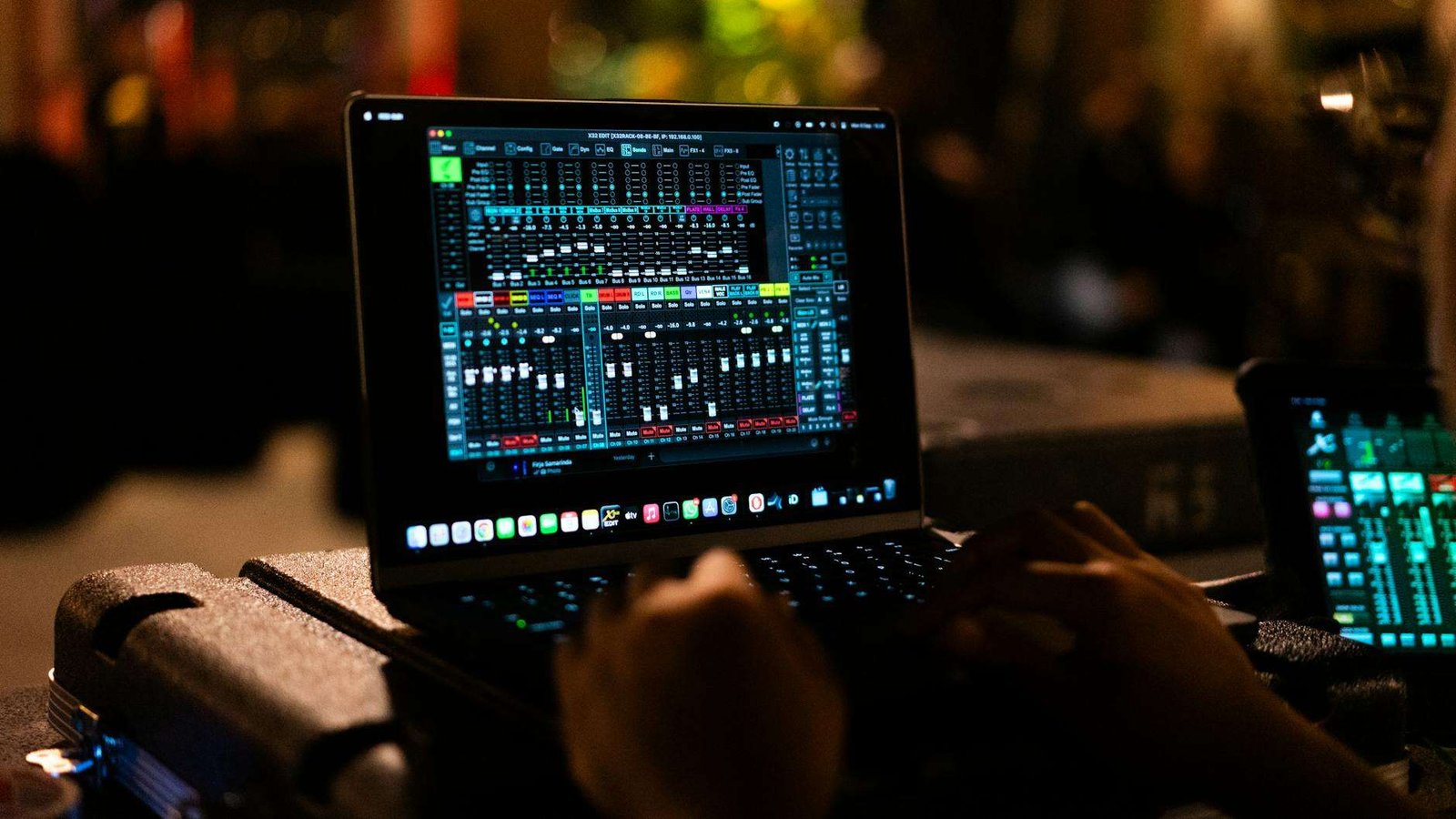

Introduction to AI Music Making
Artificial Intelligence (AI) has made significant strides in various fields, and the music industry is no exception. The advent of AI music making software has transformed the way songs are created, enabling both amateur and professional musicians to explore new dimensions of creativity. These innovative tools harness advanced algorithms and machine learning techniques to assist artists in composing music, generating melodies, and even producing complete tracks. This technological evolution has not only streamlined the creative process but also broadened the horizons of music composition.
One of the major benefits of utilizing top AI music making software for song creation is the increase in efficiency it offers. Musicians can now generate musical ideas rapidly, allowing them to focus on refining their work rather than getting bogged down in the initial stages of composition. Furthermore, AI tools can provide suggestions or variations, fostering a more collaborative relationship between the artist and the software. This synergy results in a unique creative process that can lead to extraordinary musical outcomes.
Moreover, AI music making software enhances accessibility for individuals who may not have formal training in music composition. With user-friendly interfaces and powerful functionalities, these tools empower anyone with a passion for music to express themselves creatively. The democratization of music creation is a pivotal development in the industry, encouraging diversity and innovation. As we move further into 2026, the advancements in AI technology will continue to impact how music is produced and consumed, ultimately enriching the musical landscape.
Best AI Music Software Options for 2026
As we delve into the realm of AI music creation, many users are on the lookout for the top AI music-making software for song creation in 2026. Among the most prominent options, Amper Music stands out with its powerful AI algorithms that allow users to compose original music seamlessly. This software offers a vast library of genres and styles, catering to both novice musicians and seasoned composers. The interface is intuitive, enabling users to craft personalized soundtracks effortlessly.
Another noteworthy contender is AIVA (Artificial Intelligence Virtual Artist), recognized for its capability to create emotional and complex pieces. It integrates well with various digital audio workstations (DAWs), making it suitable for users interested in detailed music production. AIVA’s strength lies in its adaptive learning, which improves its compositions based on user feedback, appealing particularly to those looking to refine their results over time.
Soundraw, a more experimental AI music-making tool, deserves mention as well. It uses machine learning to generate unique melodies and harmonies on demand, with a focus on user-driven customization. Users can specify desired moods and styles, making Soundraw an excellent choice for creators who prefer hands-on control over their music.
In terms of usability, BandLab is an exceptional platform integrating social features with music creation. It provides users a collaborative space while utilizing AI to help enhance song quality. Both beginners and professional musicians can benefit from its comprehensive suite of tools for composition, recording, and production.
When considering the top AI music-making software for song creation in 2026, each of these options presents distinct advantages. They cater to a wide range of users across different musical genres and integrate seamlessly with existing workflows, underscoring the versatility of AI in music production.
Consider Your Budget
When selecting top AI music making software for song creation in 2026, one of the foremost factors to consider is your budget. AI music software comes in a wide range of price points, from free applications to expensive professional-grade programs. It is essential to determine how much you are willing to invest before exploring your options. Some programs offer comprehensive features for their price, while others may charge high fees with fewer advanced capabilities. Understanding your budget will help you streamline your choices and focus on tools that best fit your financial constraints.
Evaluate Intended Use
Another critical consideration in choosing the appropriate AI music making software is its intended use. Are you primarily looking to write songs, produce beats, or create full tracks? Different software platforms cater to different needs, and having a clear understanding of your objectives will guide you toward the most suitable options. For instance, if your goal is to focus on songwriting, look for software with robust lyric generation and melody composition features. Conversely, if you are more interested in beat-making, prioritize software that excels in rhythm and sound selection.
User Interface and Support
The user interface of the AI music making software you choose is crucial for a smooth creative process. An intuitive interface can significantly affect your productivity and overall experience. Take the time to explore demo versions or free trials to assess the usability of different platforms. In addition to the user experience, consider the level of customer support offered by the software provider. Access to tutorials, community forums, or dedicated support can be invaluable, especially for beginners. Balancing user-friendliness with robust features will enhance your music production journey significantly.
Utilize Trials or Free Versions
Finally, leveraging trials or free versions of top AI music making software for song creation is an excellent way to ensure a good fit before making a purchase. Many software companies recognize the importance of allowing users to experience their product firsthand, thus offering limited-time trials or permanently free versions. Experimenting with different software will give you a firsthand look into its strengths and weaknesses, aiding in your decision-making process. This proactive approach helps you find the right software that aligns with your creative goals and enhances your storytelling capabilities through music.
Future Trends in AI Music Creation
The landscape of music creation is increasingly being shaped by advances in technology, and AI music making software is at the forefront of this transformation. As we look towards the future, particularly beyond 2026, several trends are expected to emerge that will significantly impact the music industry. One notable trend is the integration of more sophisticated machine learning algorithms that allow AI systems to not only analyze vast amounts of music data but also to understand intricate nuances in genres and songwriting styles. These advancements can lead to more personalized and tailored compositions through AI.
Another anticipated development is the emergence of collaborative music platforms where human creators and AI coexist harmoniously. Rather than replacing traditional musicians, top AI music making software for song creation in 2026 and beyond is expected to serve as a complementary tool that enhances creativity and efficiency. For instance, AI could suggest chord progressions or generate melodies that human songwriters then refine, allowing for a symbiotic relationship between technology and artistry.
The ongoing debate about the role of human creators versus AI will likely evolve as new capabilities emerge. Concerns regarding authenticity and originality in music, compounded by the capabilities of AI, must be delicately navigated. Nonetheless, as AI continues to learn from human input, it could lead to the rise of a new genre of music that blurs the lines between artificial and human-made compositions.
Moreover, advancements in neural networks may unlock previously unimaginable expressive possibilities, enabling the creation of complex soundscapes and unique musical structures. As technology continues to advance, the potential for the top AI music making software for song will only grow, offering tools that not only change how we produce music but also how we fundamentally perceive artistic expression.
Leave a Reply