
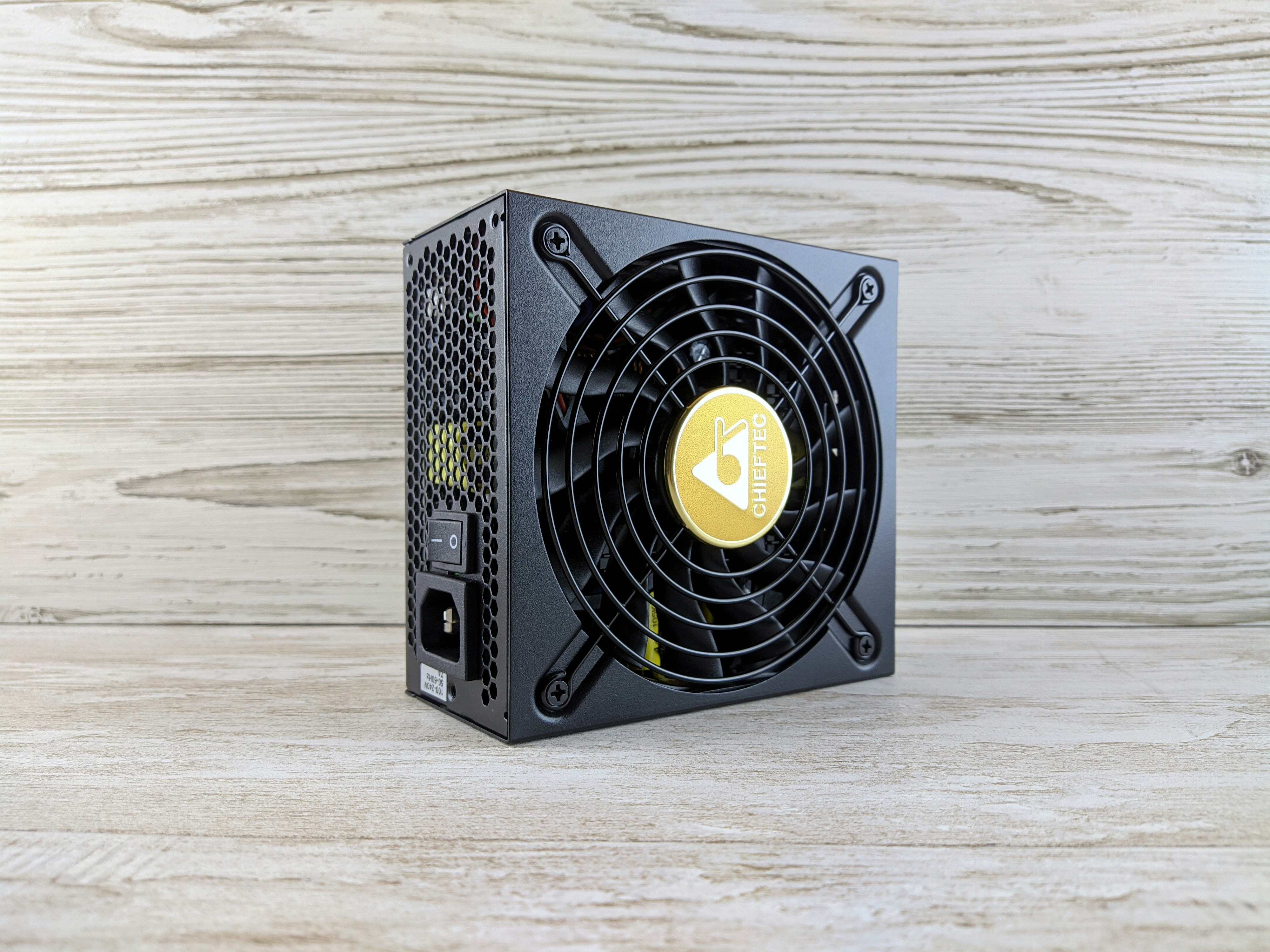
What a Bench Power Supply Does
A bench power supply converts mains electricity into controlled direct-current (DC) power for testing and prototyping. Many models let you set voltage and a current limit independently. The voltage setting determines the electrical pressure available to a circuit; the current limit caps how much current the supply will deliver. These controls make a bench unit useful, but incorrect settings or connections can damage equipment or cause injury.
This practical guide to using a power supply focuses on common adjustable DC bench supplies. It does not cover opening, repairing, or modifying mains-powered equipment. Always read the manufacturer’s manual and follow its ratings and safety instructions.
Set Up Before Connecting
Place the supply on a stable, dry, well-ventilated surface. Inspect the case, leads, and probes for damage, and keep ventilation openings clear. Confirm that the supply’s output voltage and current ranges suit the device under test. If you are unsure of a device’s requirements, check its label or documentation rather than guessing.
With the output disabled, connect the positive lead to the circuit’s positive input and the negative lead to its return or ground. Check polarity carefully: reversing the leads can destroy sensitive electronics. Use insulated leads and avoid touching exposed conductors while energized.
Choose Voltage and Current Limits
Set the required voltage before enabling the output. Start with a conservative current limit appropriate for the device and the wiring. A low limit can prevent excessive current during a fault, though it may cause a load to behave unexpectedly. Increase it only when the device’s specifications justify doing so.
Many supplies indicate constant-voltage and constant-current operation. In constant-voltage mode, the unit maintains the set voltage while the load draws current within the limit. If the load tries to draw more, the supply may reduce voltage to hold current at the limit. Consult the manual for your model’s indicators and protection behavior.
Power Down and Troubleshoot
Disable the output before changing connections or adjusting wiring. When testing is complete, switch off the output, disconnect the leads, and turn off the supply as directed by its manual. If readings are unexpected, stop and check polarity, settings, connections, and the load for shorts. Never exceed component ratings, bypass protective features, or work on exposed mains wiring. For high voltages, high currents, or unfamiliar equipment, get qualified assistance.