
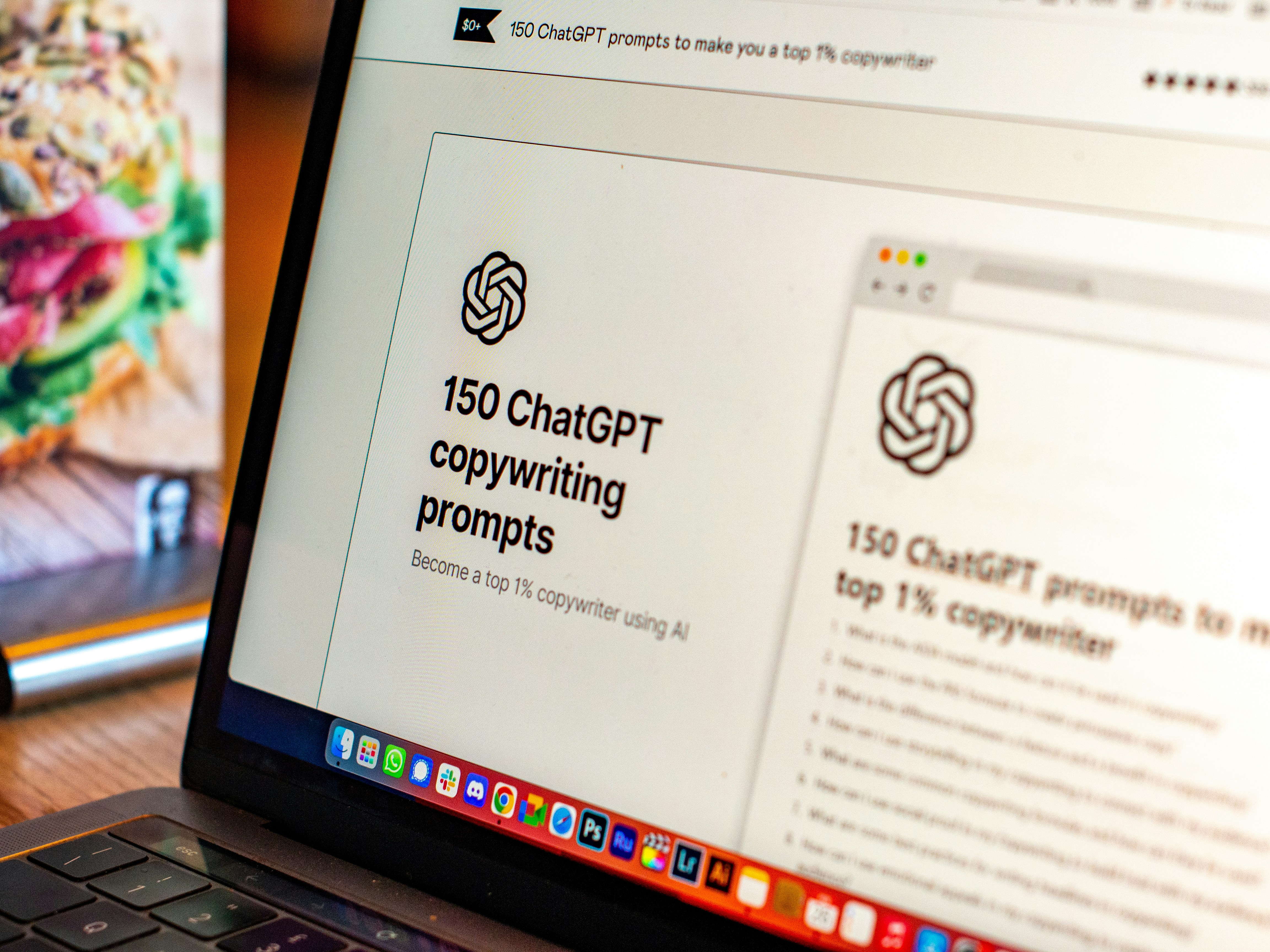
A Faster Start for Every Idea
For many writers, the hardest part of creating content is getting started. Artificial intelligence can help turn a rough thought, outline, or short brief into a workable first draft. That is one reason how ai made content creation much easier has become a useful topic for creators and businesses alike. Rather than replacing the person behind the work, AI can reduce the time spent facing a blank page.
Writers can use these tools to brainstorm headlines, organize research notes, suggest section structures, or adapt a message for different audiences. Tasks that once required several rounds of manual drafting may now begin with a clear framework. This can leave more time for judgment, reporting, and the details that make a piece distinctive.
More Efficient, Not Automatically Better
Speed alone does not guarantee quality. AI-generated material can include errors, generic phrasing, or claims that sound confident without being well supported. The content still needs a human editor to check facts, assess sources, refine the tone, and make sure it genuinely serves the reader. Sensitive subjects deserve particular care and qualified review.
Used thoughtfully, AI works best as an assistant. A writer might ask for several ways to explain a complex idea, then choose and improve the strongest option. They can also use it to spot repetition or create a preliminary summary, while confirming the underlying information independently. This approach combines efficiency with accountability.
Keeping the Human Voice
The most effective content reflects a real understanding of its audience. Personal experience, original insight, and careful attention to context are difficult to automate. Before publishing, creators should revise machine-assisted drafts so they sound natural, accurate, and consistent with their own standards. They should also respect privacy and avoid entering confidential information into tools without checking the service’s policies.
Ultimately, how ai made content creation much easier is not a story of effortless publishing. It is about removing some routine friction from the creative process. When people set clear goals, verify the output, and bring their own expertise to the final draft, AI can help them work more efficiently without surrendering the judgment that makes content trustworthy.
Google